Trump-Connected K Street Lobbyists Cash In as Families Chase Iran's Unpaid Debts
By Editorial Staff•Thu, Sep 24, 2026
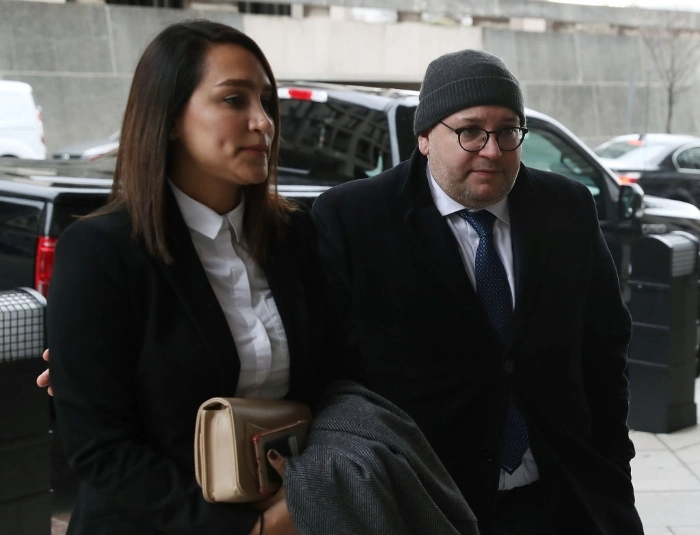
The families of Americans imprisoned or killed in Iran are turning to Washington's most connected lobbyists in hopes of finally collecting more than $1 billion in court judgments owed by the regime, as the Trump administration works to wind down its conflict with Tehran.
Three of Washington's most prominent lobbying firms now represent the families of Jason Rezaian, the Washington Post journalist who spent more than a year in Iranian custody before his 2016 release, and Robert Levinson, a former FBI agent believed to have been kidnapped and killed by Iranian intelligence in the early 2000s.
A Strategic Window for Justice
After years of fluctuating tensions and proxy conflicts between the US and Iran, these families see the current war as their best opportunity yet to collect on financial judgments they've already won against Iran in US courts.
The Rezaian family has hired Ches McDowell of Checkmate Government Relations, a close friend of Donald Trump Jr. who only began lobbying in Washington at the start of the current administration. The Levinson family has retained Brian Ballard, a longtime Trump ally and major fundraiser, along with a team from BGR Group that includes two former White House staffers.
The strategy behind hiring lobbyists so closely tied to the president is straightforward: ensuring American negotiators, led by Vice President JD Vance, are directly aware of their requests.
Sean Cooksey, a former top aide to Vance who joined BGR in February and took on the Levinsons as his first lobbying client in May, said that delayed justice doesn't have to mean denied justice.
A New Approach to an Old Problem
Victims of terrorism and their families have historically relied on traditional legal representation to pursue financial judgments against state sponsors of terror, while also pushing Congress to establish a functioning compensation system. Hiring some of Washington's most sought-after corporate lobbyists to gain direct access to the administration represents a newer strategy — one that reflects growing frustration with existing government channels and a clear read on where influence currently lies in Trump's Washington.
Despite its relatively new presence in Washington, Checkmate has rapidly built White House connections and become one of the fastest-growing lobbying firms in the city. Ballard Partners, meanwhile, reported earning more than $63 million in lobbying revenue during the first half of this year alone, well ahead of its competitors.
In a statement, Ballard Partners said it has engaged in meaningful dialogue with relevant officials on the Levinson family's behalf and will continue that work until the family receives the answers and support they deserve. McDowell declined to comment.
The Legal Judgments at Stake
A federal judge ruled in favor of the Levinson family in a 2020 lawsuit against Iran, ordering Tehran to pay $1.46 billion in damages. The family hopes US negotiators will use that judgment as leverage to press Iran for answers regarding Robert Levinson's 2007 disappearance.
In a statement, the Levinson family said their request is simple: that any negotiation with Iran set aside a portion of Iran's frozen assets, with a clear commitment that none of it will be released until Iran returns Robert Levinson's remains and provides a full account of what happened to him. They said he deserves to finally rest at home in the country he loved.
The Rezaian family, including Jason Rezaian's wife, who was also detained during his imprisonment, won a separate $180 million judgment in 2019. The family declined to comment for this story.
Lobbying records show that both Ballard and the BGR team have engaged directly with the White House on behalf of the Levinsons, and Ballard has also held discussions with the State Department.
In a statement, the State Department said the Levinson family and all victims of Iranian hostage-taking deserve answers and accountability, adding that the department takes the matter seriously and remains committed to pursuing justice, though it does not publicly discuss internal deliberations as a matter of policy.
White House spokesperson Anna Kelly said the president remains open only to a deal with Iran that includes a permanent renunciation of nuclear weapons ambitions, though she did not directly address questions about setting aside funds for victims.
However, in an August post on Truth Social, President Trump wrote that he would demand compensation from Iran for people killed or gravely injured by roadside bombs and related conflicts, stating that this demand would be included in future negotiations — though no substantive talks have taken place since that post.
A Legal System Built on Unpaid Debt
Financial judgments like these have become increasingly common since a 1996 law allowed victims to sue designated state sponsors of terrorism in US courts, even though Iran has never voluntarily paid any judgments against it. Instead, compensation has largely come from civil penalties and assets the US has seized from entities found to have violated sanctions against Iran.
The amounts owed to the Levinson and Rezaian families represent only a small fraction of the more than $120 billion in unpaid judgments US courts have issued against Iran, according to an August Justice Department report tracking payments made through a victims' fund Congress created in 2015.
One lawyer representing victims of state-sponsored terrorism, speaking anonymously to discuss the matter candidly, said there is more activity currently focused on pursuing Iranian assets than at any point in the past three decades.
A Fund Falling Short
Despite that legal framework, the United States Victims of State Sponsored Terrorism Fund, established by Congress, has struggled to keep pace with demand. Angela Mistrulli, a longtime advocate for victims who has lobbied on their behalf without pay for more than a decade, said a lack of consistent funding has forced families to pursue their own solutions.
Mistrulli, who founded the advocacy group American Victims of State-Sponsored Terrorism United after her father was killed on September 11, said the fund meant to serve as a central resource for victims simply isn't functioning, adding that Congress has not historically treated the issue with the seriousness it deserves.
Since the war with Iran began, and amid intermittent hope for a negotiated resolution, victims and their families have worked to ensure their voices remain part of the broader conversation. Mistrulli said her organization has grown substantially, with new victims joining weekly to participate in advocacy efforts in Washington, describing a renewed sense of hope that Congress will finally deliver on its earlier promises.
A Direct Appeal to the President
Mistrulli said she attended this month's GOP midterm convention in Dallas, where she spoke directly with President Trump about a House bill introduced in July that would allocate $9 billion over three years to the victims' fund. She said she explained some of the challenges facing nearly 23,000 American victims of state-sponsored terrorism, and that Trump appeared receptive, compassionate, and more engaged with the issue than in past conversations.
#Donald Trump#donald-trump#Iran#K Street Lobbying#Robert Levinson#Jason Rezaian#State-Sponsored Terrorism#US-Iran Relations#JD Vance#Lobbying#US Politics
Up next
Grassroots Groups Make a Last-Ditch Push to Unseat Rep. Nicole Malliotakis
You Can See Everything” Edges Out “Clayface” for No. 1 at Friday Box Office With $3.56 Million

Jennifer Lawrence on Her Breast Lift, “Baby Botox” and the Procedures She Won’t Do

Wales Make Four Changes for Women’s Rugby League World Cup Clash With Samoa

Florida Begins Notifying Victims of DMV Data Breach Tied to Stolen Law Enforcement Credentials

Finland Sees Assault Reports Climb More Than 10%, Putting 2026 on Track for a Record
Most popular
1