Inside Dolly Parton’s Final Collaboration: Her Broadway Musical Cast Shares Their Most Unforgettable Moments With Her
By Editorial Staff•Fri, Oct 9, 2026
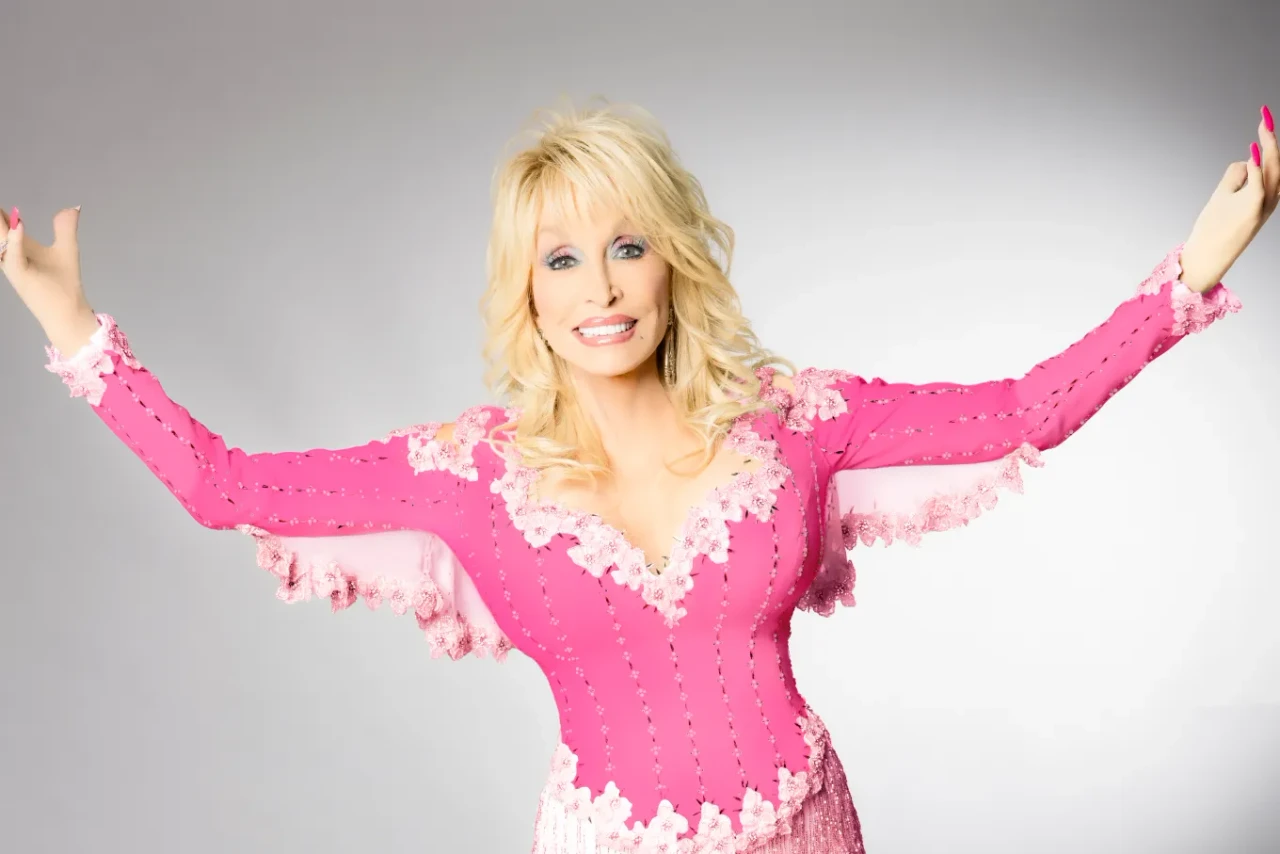
Playing a real person on stage is already a difficult task for any actor. Playing someone as iconic — and as closely involved in the process — as Dolly Parton adds an entirely different layer of pressure.
That was the experience facing the cast and creative team behind “Dolly: A True Original Musical,” which previewed in Nashville last year and arrives at Broadway’s St. James Theatre for previews beginning December 7, 2026, officially opening on Parton’s 81st birthday, January 19, 2027. Parton remained closely involved throughout development, right up until her death from cancer this past August, and by all accounts was exactly as warm, encouraging, and down-to-earth as her public image suggests.
Two of the actresses who portray Parton in the show, Carrie St. Louis (“Just in Time,” “Rock of Ages,” “Kinky Boots”) and Katie Rose Clarke (“Merrily We Roll Along,” “Light in the Piazza”), along with Tony-winning director Bartlett Sher and lead producer Adam Speers, spoke with Variety’s Jem Aswad during the publication’s “Business of Broadway” event this week, sharing detailed memories of working directly with Parton as she helped shape both the production and their individual portrayals of her.
Finding Confidence Through Parton’s Encouragement
St. Louis recalled how nerve-wracking it was to first sing in front of Parton, given the pressure of honoring her authentically without veering into caricature. She said Parton had a remarkable way of instilling confidence in the cast, often more than they had in themselves — including gently brushing off their nervousness by insisting she was just an ordinary person, albeit one who, as she joked, “jumps into” her pants “with heels on.”
St. Louis described Parton as consistently the first person in the building each morning and the last to leave, making a point of personally greeting every actor during breaks and often joining impromptu guitar jam sessions. Rather than correcting performers’ interpretations, Parton would simply tell them they made her look better than she really was.
Clarke shared a similar memory from an early rehearsal, recalling a vulnerable moment when Parton opened up to her and St. Louis, later taking Clarke’s arm and reassuring her that she was, in her words, “just a regular girl.” Clarke said that moment became a guiding principle for how she approached portraying Parton on stage.
Clarke also admitted she struggled consistently with the lyrics to “Jolene” during rehearsals, with Parton reassuring her each time she stumbled. She described singing around the piano with Parton, who would harmonize along and offer different vocal arrangements to try, calling the entire summer spent working alongside her an experience the cast still feels grateful for.
Sharing Private Moments
St. Louis said one of the most meaningful aspects of the show is its glimpse into Parton’s private life, noting that despite her larger-than-life public persona, Parton was in many ways a private person who chose to share intimate details — including stories about her relationship with her husband, Carl — that had rarely, if ever, been made public. St. Louis recalled Parton describing how the couple met and courted, comparing her own love story to being swept off her feet at a laundromat.
How the Broadway Version Differs From Nashville
Speers explained that the earlier Nashville production attempted to capture the full scope of Parton’s more than 50-year career, but the creative team realized there was simply too much story to tell in one sitting. For Broadway, the focus shifted toward portraying Parton as a human being rather than retelling a familiar rags-to-riches narrative, centering the story on how she discovered who she wanted to become.
Sher noted that with more than 10,000 songs to draw from, early workshop versions of the show ran over three and a half hours and included more than 50 songs before being narrowed down, with Parton herself playing a key role in helping the team refine the story.
One notable change involved a song from Parton’s real 1956 radio debut at WIVK in Knoxville, where she actually performed “Little but Loud” by Grand Ole Opry star Little Jimmy Dickens. Sher recalled suggesting they simply use that original song in the show, prompting a lengthy creative discussion with Parton about whether the moment should instead feature a song she had written herself. Within two days, Parton returned with an entirely new original song, “Mountain Girl,” which now appears in the production — an example, Sher said, of her habit of writing a new song nearly every morning after prayer.
Sher added that Parton had a system for documenting these songs immediately, either bringing her team in to record them on the spot or calling them to meet her at a studio right away. Speers said Parton once explained that she did this so that, each night before bed, she could feel she’d left the world slightly different for having been in it.
Sher also recalled the surreal experience of watching the show seated next to Parton, who would quietly harmonize along with the actors performing her own songs on stage.
A Hands-On Collaborator
St. Louis said Parton was present nearly every day during the Nashville run, with her dressing room located next to the actresses’ own, often checking in with them between scenes with playful encouragement.
Speers emphasized just how deeply involved Parton was in every aspect of the production, serving as co-producer, co-author of the book, and the source of all the music and lyrics — shaping not just what appears on stage, but how the entire team conducted themselves throughout the process.
What the Show Is Really About
Asked about Parton’s priorities in telling her own story, Speers described it as fundamentally a story of hope, tracing her journey from extreme poverty to international fame while remaining authentic to who she was.
Sher recalled directly asking Parton to summarize the show’s meaning in a single sentence, to which she replied, “I’m Jezebel and God loves me anyway” — a response he said perfectly captured the contradictions and complexity she embodied as a person.
How She Offered Feedback
Clarke recalled that during rehearsals, whenever the cast struggled with a scene, Parton would often quietly suggest a solution from the sidelines that immediately resonated with everyone in the room. She also described moments the cast nicknamed “Storytime With Dolly,” when Parton would share detailed personal stories behind specific scenes, some of which may not have been previously publicized. Clarke said Parton functioned almost like a collaborator during musical rehearsals, frequently changing phrasing around the piano and encouraging the cast to adapt alongside her.
The Hardest Songs to Perform
Clarke said beyond her struggles with “Jolene,” the most emotionally difficult song to perform was “I Will Always Love You.” She recalled a particularly moving rehearsal moment when Parton encouraged her to approach the song as an actress rather than worrying about technical perfection, then began singing it herself at the piano — a moment Clarke said left the entire room in tears. She still keeps a recording of that moment saved on her phone.
St. Louis named “Coat of Many Colors” as her most challenging song, given that Parton had often described it publicly as her favorite song she’d ever written. She recalled an early rehearsal in which Parton sang each of St. Louis’s songs first, including “Coat of Many Colors,” reducing St. Louis to tears before she even began her own performance. When Parton noticed, she gently teased St. Louis for crying, but St. Louis pushed through and performed the song herself — ultimately moving Parton to tears as well. St. Louis described the experience as one of the most meaningful moments of her life, one she now gets to relive during every performance.
A Final Message Before Her Death
Speers said he and Sher spent nearly a week each month between fall 2025 and this past June working directly with Parton and her book co-writer, Maria Schlatter, to shape the Broadway version of the show based on lessons learned from the Nashville run. In their final conversation with her, roughly ten days before her death, Parton told them clearly that she wanted them to keep going, calling it the show she wanted to see on Broadway.
Sher reflected on the surreal nature of working with someone whose image also appears on state license plates, referring to Parton’s status as a cultural fixture in Tennessee. He said witnessing how she brought people together felt like a meaningful lesson for the country more broadly, calling it something truly special.
#Dolly Parton#Broadway Musical#A True Original Musical#Carrie St. Louis#Katie Rose Clarke#Bartlett Sher#Adam Speers#Dolly Parton Musical#Country Music#Theater News
Up next
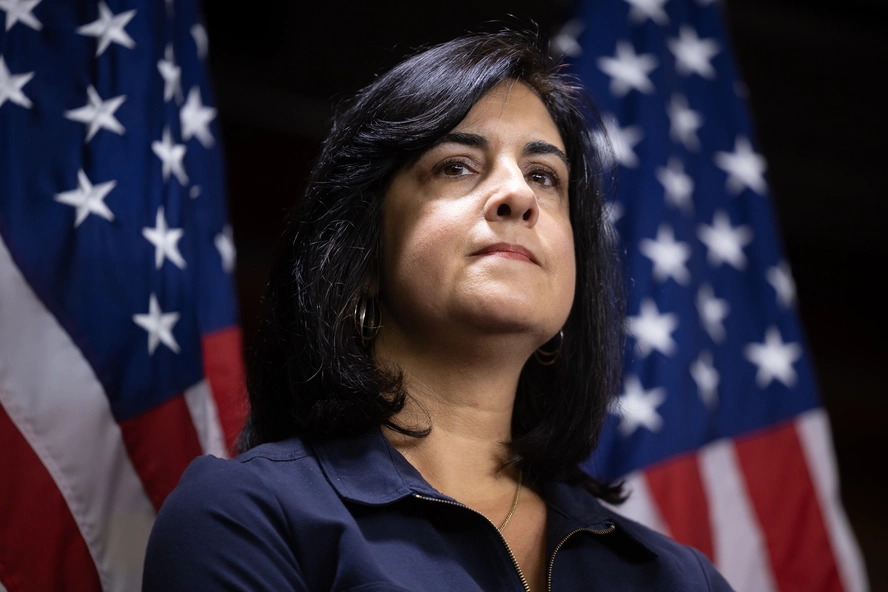
Grassroots Groups Make a Last-Ditch Push to Unseat Rep. Nicole Malliotakis
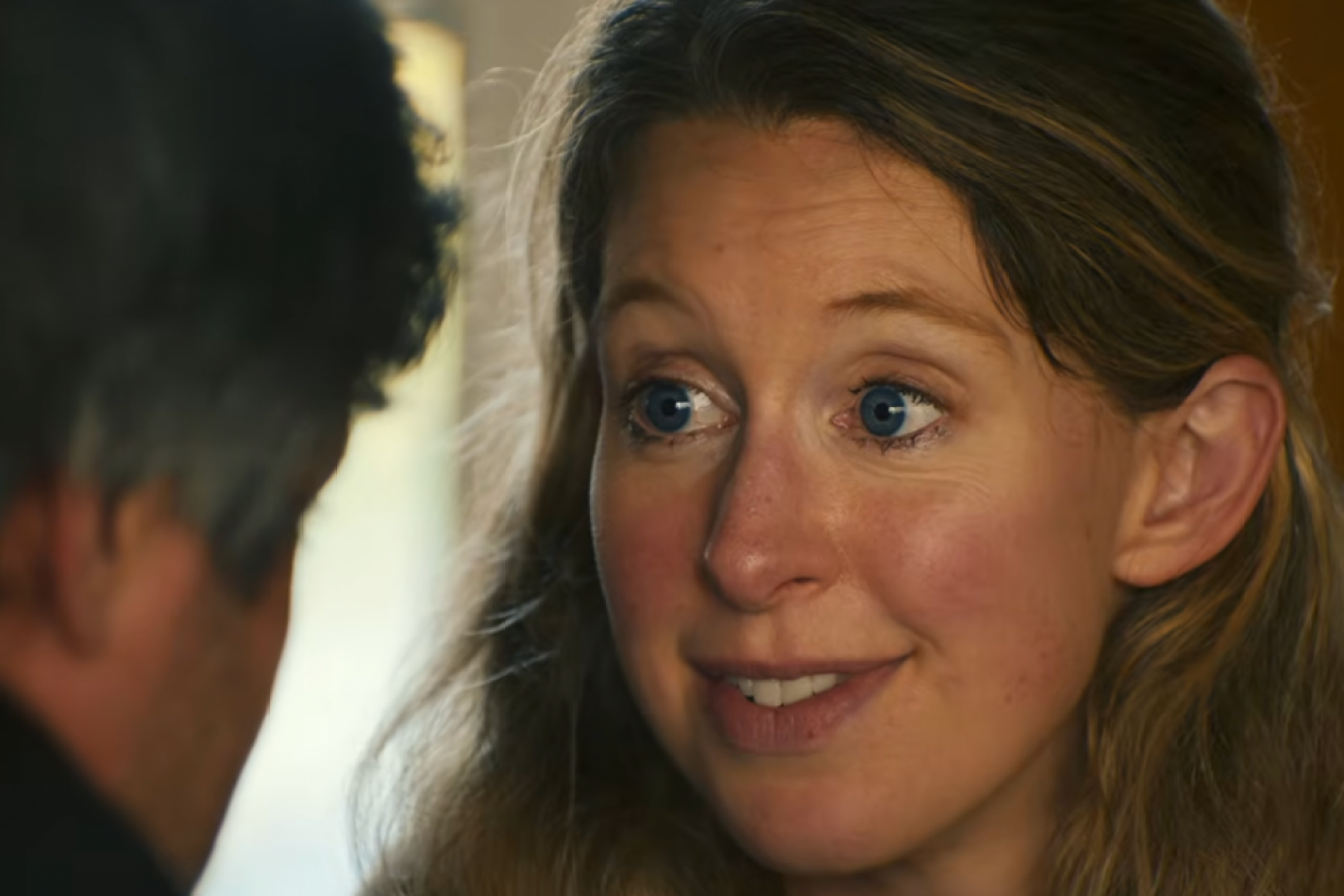
You Can See Everything” Edges Out “Clayface” for No. 1 at Friday Box Office With $3.56 Million

Jennifer Lawrence on Her Breast Lift, “Baby Botox” and the Procedures She Won’t Do

Wales Make Four Changes for Women’s Rugby League World Cup Clash With Samoa

Florida Begins Notifying Victims of DMV Data Breach Tied to Stolen Law Enforcement Credentials

Finland Sees Assault Reports Climb More Than 10%, Putting 2026 on Track for a Record
Most popular
1