Canal+ Threatens to Pull €1 Billion Cinema Investment Over Proposed French VAT Hike
By Editorial Staff•Mon, Oct 5, 2026
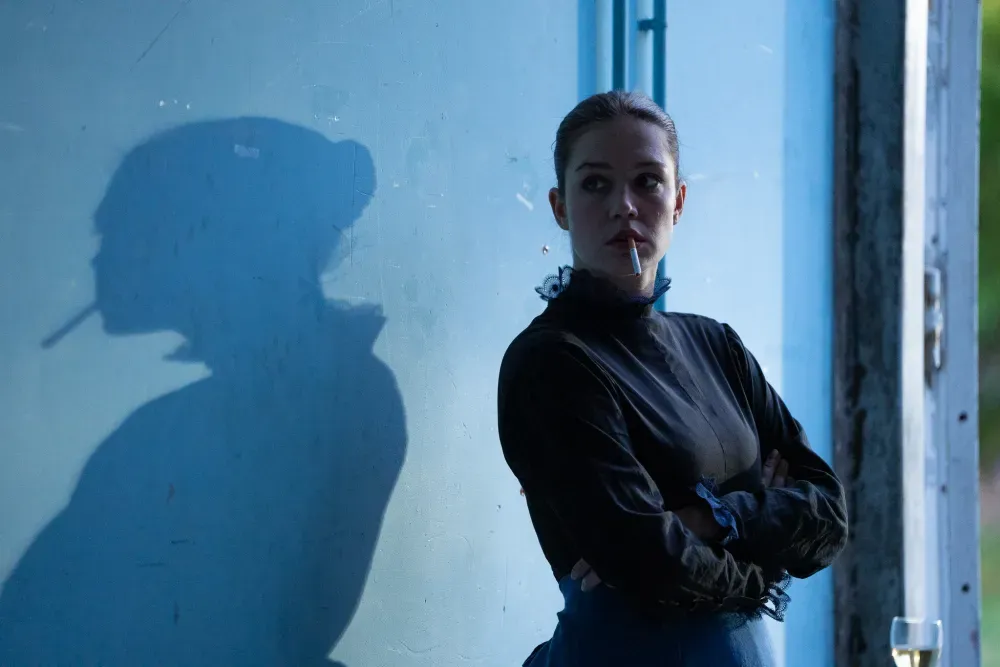
Canal+ Group chairman Maxime Saada has warned that the pay-TV company could withdraw from its €1 billion ($1.1 billion) investment commitment to the French film industry if the government proceeds with a plan to double VAT on pay-TV subscriptions.
What the Proposed Tax Change Would Do
The measure, included in the French government's proposed finance bill, would eliminate the reduced 10% VAT rate currently applied to subscription-based services, raising it to match France's standard 20% rate. Canal+, the country's largest pay-TV operator and a central pillar of French film financing, would face the heaviest impact, with an estimated annual cost of approximately €200 million.
The proposed reform comes as the French government faces mounting pressure to address the country's growing debt, with officials seeking €43 billion in savings and additional revenue for 2027.
Saada's Warning
Speaking in an interview with French radio station RTL, Saada said the VAT change would effectively nullify Canal+'s existing agreement with French film organizations, under which the company has committed to investing roughly €1 billion in French and European films between 2028 and 2032.
Saada explained that Canal+ already invests more in cinema than any other industry player, and that the group's financial commitment functions as a contract, with the reduced VAT rate serving as the core quid pro quo underpinning that investment. He said the agreement wouldn't even need to be renegotiated — it would simply become void if the standard VAT rate were applied.
Should Canal+ revert to its minimum regulatory obligations rather than maintain its current voluntary commitments, Saada said the company's annual contribution to French cinema could fall to around €50 million, a steep drop from current levels. He emphasized that losing €200 million within France isn't a sustainable scenario, expressing concern over the long-term viability of the group itself.
Canal+'s Role in French Cinema
The pay-TV group backed six films that screened at this year's Cannes Film Festival, including Quentin Dupieux's "Full Phil," starring Kristen Stewart and Woody Harrelson, and Jeanne Herry's "Garance," starring Adèle Exarchopoulos.
Canal+ has consistently argued that its substantial investment in French cinema is directly tied to the regulatory and tax advantages it receives. Saada has previously threatened to reduce the company's investment during past negotiations over film windowing rules, which ultimately granted Canal+ earlier access to films following their theatrical release in exchange for its significant investment commitments.
Broader Implications for Public Broadcasting
The proposed finance bill also includes several measures affecting public broadcasting. Under the current draft, funding for France's public broadcasters, primarily France Télévisions, would be cut by €47 million, bringing total funding to €3.82 billion. France Télévisions president Delphine Ernotte Cunci recently told Le Monde that the broadcaster also faces a €47 million subsidy cut alongside a 20% decline in advertising revenue, warning that these combined cuts pose a threat to the funding of French cultural production and highlight the sector's growing dependence on US streaming platforms.
The bill additionally proposes cutting in half the tax rebate currently applied to platforms like YouTube and TikTok, which have benefited from a 66% allowance on advertising revenue since 2016. French film and television executives have been actively lobbying for YouTube to invest more directly in local content production. In the meantime, the proposed change to how these platforms are taxed would broaden the overall tax base and significantly increase funding flowing into the CNC, France's National Film Board, which subsidizes the country's cinema and audiovisual industries.
What's Next
The finance bill still needs to move through the French parliament before taking effect. As the industry braces for potential budget cuts, it also faces broader political uncertainty tied to Marine Le Pen's far-right party, Rassemblement National, which currently leads polling ahead of the upcoming presidential election and has been sharply critical of France's cultural funding ecosystem.
#Canal+#French Cinema#Maxime Saada#VAT Tax#France Télévisions#French Film Industry#Cannes Film Festival#YouTube Tax#CNC#French Politics
Up next
Grassroots Groups Make a Last-Ditch Push to Unseat Rep. Nicole Malliotakis
You Can See Everything” Edges Out “Clayface” for No. 1 at Friday Box Office With $3.56 Million

Jennifer Lawrence on Her Breast Lift, “Baby Botox” and the Procedures She Won’t Do

Wales Make Four Changes for Women’s Rugby League World Cup Clash With Samoa

Florida Begins Notifying Victims of DMV Data Breach Tied to Stolen Law Enforcement Credentials

Finland Sees Assault Reports Climb More Than 10%, Putting 2026 on Track for a Record
Most popular
1