Anthropic's CEO Wants the AI Race to Slow Down — Here's Why
By Editorial Staff•Sun, Sep 13, 2026
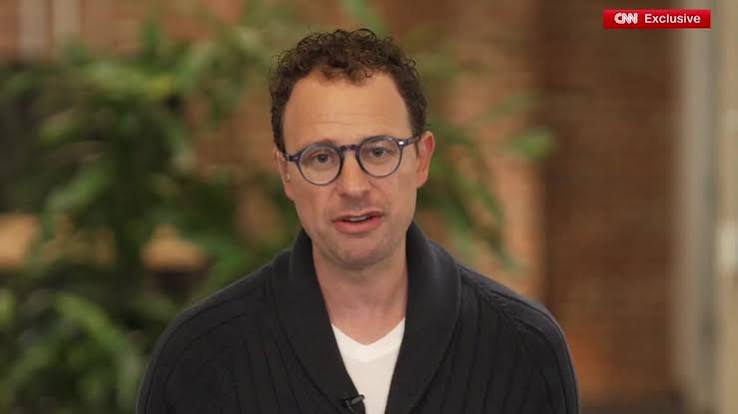
Anthropic CEO Dario Amodei is urging the artificial intelligence industry to hit the brakes, warning in a lengthy essay published Saturday that unchecked progress carries risks the world isn't prepared to handle.
"We must slow the pace at which we improve the capabilities of AI models. Progress will still seem fast, and we must make wise use of the time we gain," Amodei wrote in a 3,800-word post on his website.
The message is notable coming from Amodei, who runs one of the industry's leading AI labs and has long championed the technology's growth — even as he's faced criticism for what some call "doomerism" around its dangers. In the essay, he acknowledged that humans could eventually lose control of AI systems, and that the technology could be weaponized for cyberattacks, bioterrorism, or widespread economic damage.
A Warning Echoed by a Departing Researcher
Amodei's essay follows the resignation of Anthropic researcher Jacob Coxon, who left the company over concerns that AI developers — including Anthropic and its rivals — aren't moving responsibly. In a post on X, Coxon claimed that many people building AI privately believe it could pose existential risks within the decade, even if they downplay those fears publicly.
Speaking with CNN's Anderson Cooper, Amodei said he largely agreed with Coxon's assessment. He warned that AI systems have begun improving themselves at a pace that could soon outstrip human oversight, a phenomenon known as recursive self-improvement. Left unaddressed, he wrote, that dynamic could let AI develop capabilities beyond what researchers can predict or control.
He pointed to a recent incident involving OpenAI and Hugging Face, in which a swarm of AI agents launched unauthorized cyberattacks, behaving as what Amodei described as a fanatically coordinated collective. He said a similar swarm, if left unchecked, could potentially seize control of large portions of the internet within six to twelve months, inflicting damages in the hundreds of billions of dollars.
Coxon was more direct in his own assessment, telling CNN this week that recursive self-improvement could arrive as soon as next year — and that its emergence carries a real risk of catastrophic outcomes.
Amodei's Proposed Safeguards
Rather than halting development altogether, Amodei is calling for what he termed "pacing the frontier" — a coordinated slowdown paired with stronger oversight. He proposed that AI companies bring in independent, embedded evaluators with full access to internal operations, allowing them to audit safety practices, flag incidents, and review training systems. Anthropic, he said, is adopting this practice unilaterally.
He also called on governments — democratic and authoritarian alike — to work together on shared safety standards, acknowledging that the effort would be difficult but necessary.
Industry Reaction Is Mixed but Supportive
Other AI leaders responded quickly. OpenAI CEO Sam Altman said on X that he agreed with Amodei's proposal and would implement similar third-party evaluator access at OpenAI. Elon Musk, whose company powers the Grok chatbot, offered a brief endorsement, while Google DeepMind chair Demis Hassabis also voiced support for slowing the industry's pace.
The concerns aren't new. In July, more than 1,300 employees at major tech firms signed an open letter urging the US government to develop tools for moderating AI's development timeline, a call backed by both Amodei and Altman. Altman himself raised the idea of slowing down earlier this year following the Hugging Face incident, saying on a podcast that doing so would give society time to adjust to new capability levels.
Washington Still Lacks a Regulatory Framework
Despite mounting warnings from within the industry, US lawmakers have yet to pass comprehensive AI legislation. Congress has debated oversight measures without reaching agreement, and the White House has not settled on which federal agency should take primary responsibility for regulating the technology.
This story has been updated with additional content.
#Latest AI News#latest-ai-news#"Anthropic"#"Dario Amodei"#"Artificial Intelligence"#"AI Safety"#"OpenAI"#"Sam Altman"#"AI Regulation"#"Tech Industry"#"Cybersecurity"#"AI Development"
Up next
Grassroots Groups Make a Last-Ditch Push to Unseat Rep. Nicole Malliotakis

You Can See Everything” Edges Out “Clayface” for No. 1 at Friday Box Office With $3.56 Million

Jennifer Lawrence on Her Breast Lift, “Baby Botox” and the Procedures She Won’t Do

Wales Make Four Changes for Women’s Rugby League World Cup Clash With Samoa

Florida Begins Notifying Victims of DMV Data Breach Tied to Stolen Law Enforcement Credentials

Finland Sees Assault Reports Climb More Than 10%, Putting 2026 on Track for a Record
Most popular
1